Safe travel in Madagascar: the ultimate guide to visas, vaccinations, and travel advice

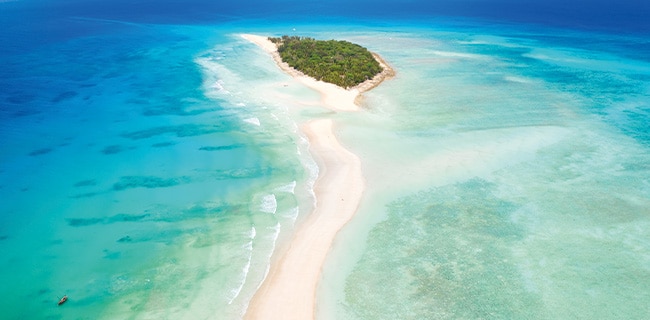
Madagascar, the large island nestled in the Indian Ocean, enchants travelers with its untouched landscapes, dazzling white beaches, and extraordinary array of endemic species. Before you embark on your journey, however, it’s important to equip yourself with practical information to ensure a smooth and safe adventure. From necessary vaccinations and visa requirements to expert safety advice and the ideal times to visit, every detail contributes to a more enjoyable and well-prepared trip.
Madagascar vaccinations: what’s required and how to stay healthy
No specific vaccinations are required to enter Madagascar unless you are arriving from a yellow fever-affected country, in which case proof of vaccination is mandatory. Health officials advise travellers to stay current with routine immunizations and to consider protection against hepatitis A and B, typhoid, tetanus, and rabies. As Madagascar is prone to malaria, it’s wise to consult a doctor before departure and adopt preventive measures, including antimalarial medication and repellents containing DEET.
While in Madagascar, drink only sealed bottled water, steer clear of ice and raw foods, and keep a basic medical kit on hand. These precautions are especially important for families traveling to Madagascar with children—a growing trend among those eager to safely explore the island’s wonders. Well-equipped resorts and supervised tourist areas like Nosy Be or Antananarivo offer added peace of mind.
Madagascar visa guide: how to obtain one and the required documents
A tourist visa is necessary to enter Madagascar and can be obtained on arrival at the Antananarivo or Nosy Be airports, or via the official eVisa Madagascar platform. Ensure your passport is valid for at least six months, and have both your return ticket and hotel reservation confirmation ready for inspection.
Visas are valid for up to 90 days, with fees varying depending on your length of stay. Be sure to retain the receipt you receive upon entry, as you’ll need it when departing. Customs regulations strictly forbid the export of coral, sand, fossils, precious stones, and protected animals or plants.
When to visit Madagascar and how to travel safely
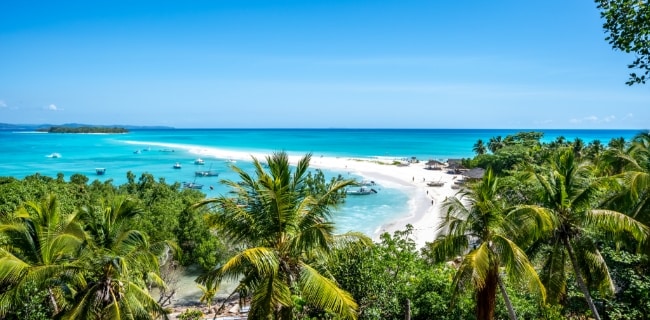
Madagascar’s climate varies widely across its regions, but generally, the best time to visit is during the dry season, from April to November. The rainy season, from December to March, may bring cyclones and make travel more challenging.
Getting around Madagascar calls for careful planning: many roads are unpaved, so internal flights are often the quickest way to cover long distances. Avoid traveling at night, always carry a copy of your passport, and check weather forecasts before setting out. Popular destinations like Nosy Be, Antsiranana, Tulear, and Fort Dauphin provide reliable safety standards and services for even the most discerning travellers.