Traveling to Madagascar with Kids: what to do and see

Tucked away in the heart of the Indian Ocean, Madagascar is a surprising destination for a family trip. Its primordial charm, extraordinary biodiversity, and intact ecosystems make this island an open-air natural laboratory. Here, children can observe endemic animals up close, explore lush rainforests, and discover ancestral traditions. Travelling to Madagascar with kids is a magical experience that nurtures their imagination, knowledge, and wonder.
Madagascar: an ideal destination for families
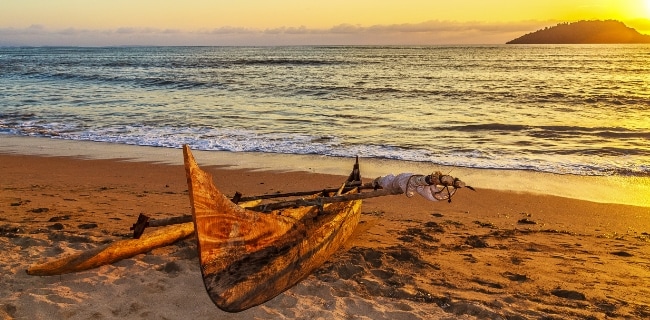
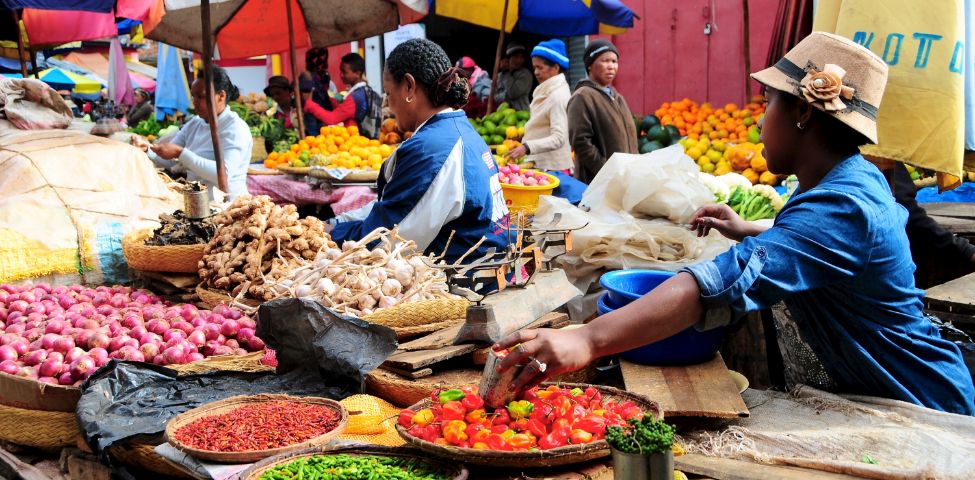
Madagascar is a fantastic destination for children, offering a variety of experiences where nature and culture intertwine, revealing unexpected discoveries at every turn. The island boasts a vivid immersion in pristine environments, from the famous Baobab Avenue to charming fishing villages, from lush palm forests to the melodic evening calls of lemurs. Children are particularly captivated by the unique wildlife they encounter, including colourful chameleons, giant tortoises, and vibrant tropical birds. Additionally, interacting with the local population—known for their warmth, hospitality, and curiosity about young visitors—offers valuable educational and intercultural experiences.
The ideal time to visit Madagascar.
The island's tropical climate requires careful planning regarding departure dates. Generally, the best time to visit Madagascar is from May to October, during the dry season. During these months, temperatures are mild, and rainfall is minimal, making it ideal for families travelling with children. However, be aware that in July and August, some highland areas can be cool in the evenings. Additionally, it's essential to consider the health of young children: using mosquito repellent, adhering to hygiene practices, and ensuring proper hydration are crucial for a worry-free stay.

Here are some valuable suggestions for planning a trip with kids
Before you depart, gather all the necessary documents: a valid passport, a tourist visa, and any required vaccinations (such as for yellow fever) based on medical advice. Additionally, having good health insurance is highly recommended. Include a travel pharmacy stocked with antipyretics, disinfectants, and commonly used medications in your suitcase. Pack comfortable, breathable clothing, hats, sunglasses, and broad-spectrum sunscreen. A universal adapter for electrical outlets can also be handy.