The flavours of Sicily: a culinary journey through arancini and cannoli

Sicily stands out as one of the Mediterranean’s most captivating culinary destinations. Its cuisine reflects centuries-old traditions and is shaped by Arab, Norman, Spanish, and Greek influences. From street food enjoyed in lively markets to the sumptuous desserts of Baroque pastry shops, every culinary experience becomes a journey through the island’s history and identity.
Why Street Food in Sicily is a cultural heritage
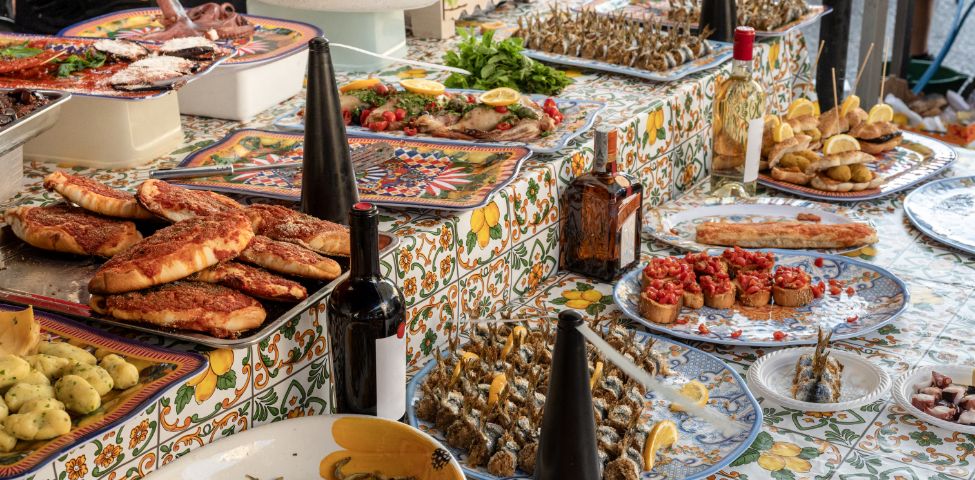
Sicilian street food is much more than a quick bite; it’s a social ritual. As you wander the stalls of Palermo, Catania, or Messina, you’ll find crispy arancini, chickpea panelle, fragrant sfincioni, and freshly grilled “stigghiole”. These foods, once humble staples, now represent the island’s authentic soul and centuries of culinary creativity. Recipes, handed down through generations, are fiercely defended by each city—most famously in the ongoing debate between arancine and arancini, two names that symbolize deeply rooted culinary identities.
What makes Sicilian sweets unique
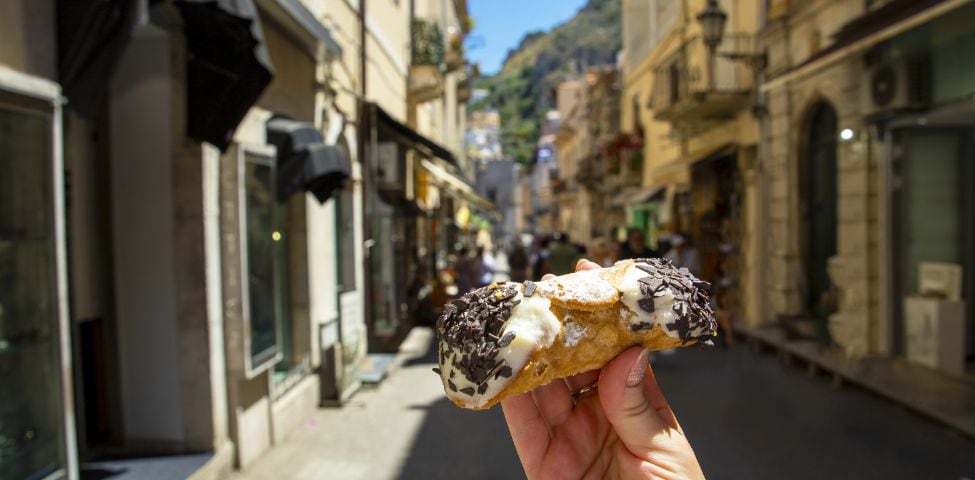
Sicilian pastries hold a special place in European gastronomy. Cannoli, crispy shells filled with sweet ricotta and candied fruit, are perhaps the most iconic. They share the spotlight with richly decorated cassata and “frutta martorana”, marzipan treats shaped like fruit. Lighter delights include granita accompanied by a brioche “col tuppo”, named for its topknot shape, a traditional pastry enjoyed on warm summer mornings. The skilled use of local ingredients, Bronte pistachios, Avola almonds, and Sicilian blood oranges, gives the island’s desserts their distinctive character, blending visual beauty with refined flavours.
Why visit Sicily's historic markets
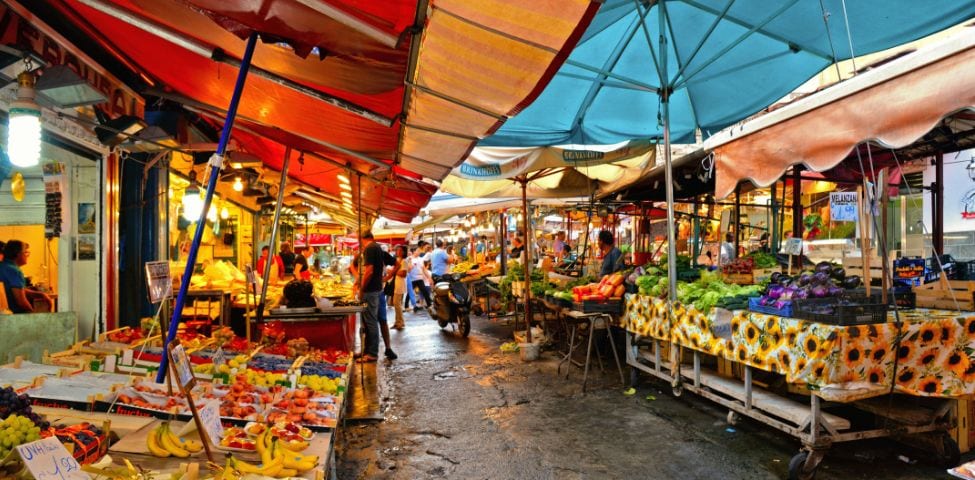
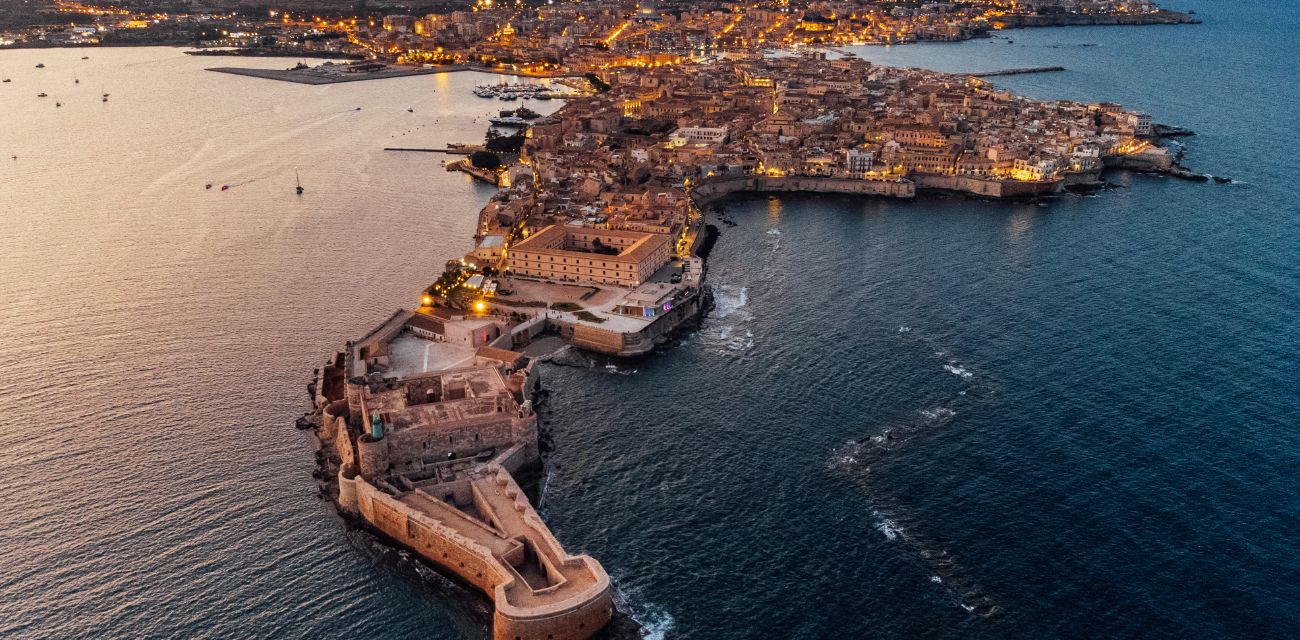
Sicily’s markets are more than places to shop—they’re vibrant centres where culture and daily life come together. In Palermo, Vucciria and Ballarò dazzle with their colours, aromas, and sounds, echoing the island’s enduring Arab heritage. Catania’s fish market is alive with stalls brimming with tuna, swordfish, and shellfish, while Syracuse’s Ortygia Market blends local flavours with Mediterranean influences. Exploring these markets is a sensory journey: every taste and encounter is a piece of living history.